Understanding Osteopathy in Burlington
Osteopathy is an increasingly popular form of complementary and alternative medicine that focuses on the body's musculoskeletal system. In Burlington, many residents are turning to osteopaths not only for pain relief but also for a holistic approach to health and wellness. By addressing the interconnectedness of bodily systems, osteopaths work to restore balance, enhance well-being, and promote natural healing. When exploring options, Osteopath burlington offers comprehensive insights into how osteopathy can benefit you.
What is Osteopathy?
Osteopathy is a system of medicine that emphasizes the role of the musculoskeletal system in health and disease. It was founded in the late 19th century by Dr. Andrew Taylor Still, who was pioneering in his approach to treating the body as a whole. Osteopaths use various hands-on techniques to detect, treat, and prevent health issues, focusing on the relationship between the body's nerves, muscles, and bones. This practice encourages the body’s natural ability to heal itself through manipulation and movement.
The Importance of Holistic Care
The osteopathic philosophy centers around the idea that health and wellness are holistic concepts. Instead of merely treating symptoms, osteopaths assess and address the underlying causes of discomfort or dysfunction. This holistic care approach means considering lifestyle factors, emotional health, and environmental influences as integral to a patient's overall well-being. By fostering a deeper understanding of each patient's unique circumstances, osteopathy supports sustainable health improvements.
Common Conditions Treated by Osteopaths
Osteopaths are trained to treat a wide range of conditions, including:
- Chronic pain (back pain, arthritis, etc.)
- Sports injuries
- Headaches and migraines
- Postural problems
- Digestive issues
- Sleep disturbances
Patients often find osteopathy beneficial for managing discomfort and promoting recovery while minimizing the need for medications or invasive procedures.
Finding the Right Osteopath Burlington
Choosing the right osteopath can be daunting, especially with the variety of practitioners available in Burlington. It's crucial to consider several factors to ensure you find an osteopath who aligns with your health needs and personal preferences.
Key Qualities to Look For in an Osteopath
When searching for an osteopath, consider the following qualities:
- Qualifications and Experience: Check if the osteopath is registered with the appropriate regulatory body and has relevant clinical experience.
- Approach to Care: Look for a practitioner who understands your specific health concerns and tailors their treatment plan accordingly.
- Communication Skills: An effective osteopath should be able to explain their findings clearly and engage in a collaborative approach to your treatment.
- Patient Reviews: Seek out testimonials or reviews from previous patients to gauge their experiences and satisfaction levels.
Questions to Ask During Your First Appointment
Preparing thoughtful questions can enhance your initial consultation. Here are some suggestions:
- What treatment options do you recommend for my specific condition?
- What techniques do you use in your practice?
- How many sessions do you believe I will need?
- Are there any lifestyle changes you suggest to complement my treatment?
These inquiries can help you assess the osteopath’s approach and determine if they are a good fit for your health journey.
Patient Experiences and Testimonials
Understanding patient experiences can provide valuable insights into what to expect from your osteopath. Many individuals report significant improvements in their conditions after treatment, highlighting the effectiveness of osteopathic care in managing pain and promoting overall health. Testimonials often praise the personalized approach and the empathetic nature of osteopaths, fostering a supportive therapeutic relationship.
Osteopathic Techniques and Treatments
Osteopathic care employs a range of techniques designed to promote physical function, alleviate pain, and enhance healing. Understanding these methods can help patients appreciate the value of their treatment sessions.
Manual Therapy and Its Benefits
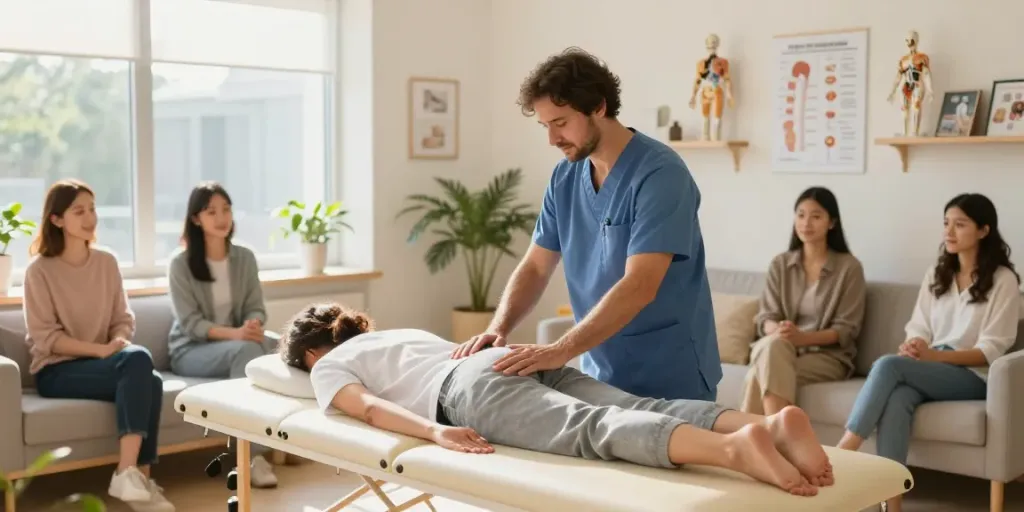
Manual therapy is a cornerstone of osteopathic practice, involving hands-on techniques that manipulate muscles, joints, and connective tissues. This approach can improve circulation, reduce tension, and enhance mobility. Techniques may include:
- Soft Tissue Mobilization: To relieve muscle tension and improve blood flow.
- Joint Mobilization: To restore function and relieve pain in the joints.
- Myofascial Release: Targeting the fascia, which is the connective tissue surrounding muscles.
The benefits of manual therapy extend beyond immediate pain relief, often resulting in long-term improvements in physical function.
Integrative Approaches to Wellness
Osteopathy integrates seamlessly with other therapeutic modalities, creating a comprehensive treatment regimen. Many osteopaths collaborate with other healthcare professionals, including physiotherapists, nutritionists, and chiropractors, to provide a multidisciplinary approach to care. This coordination can enhance treatment outcomes, particularly for complex or chronic conditions.
How Osteopathy Differs from Other Therapies
While osteopathy shares similarities with chiropractic care and physiotherapy, key differences set it apart. Osteopaths assess and treat the whole body rather than focusing solely on symptoms or specific areas. Additionally, osteopathy emphasizes the body’s self-healing capabilities, often using less forceful manipulation compared to chiropractic methods. This holistic approach can offer a more comprehensive pathway to recovery for many patients.
Osteopathy for Specific Populations
Osteopathy is adaptable and can benefit individuals across various demographics. Different age groups and conditions require tailored approaches, making the versatility of osteopathy a significant asset.
Pediatric Osteopathy in Burlington
Pediatric osteopathy addresses health issues specific to children, focusing on their unique developmental needs. Techniques are gentle and adapted for younger patients, targeting conditions such as:
- Colic and digestive issues
- Sleep disturbances
- Developmental delays
Many parents seek osteopathy as a complementary treatment for children, finding it beneficial for both physical and emotional development.
Osteopathy for Seniors: Benefits and Considerations
As individuals age, they often face various health issues, including arthritis, osteoporosis, and mobility challenges. Osteopathy can provide significant relief and promote a better quality of life through:
- Improved joint mobility
- Pain relief and management
- Enhanced balance and stability
Osteopaths are attuned to the specific needs of seniors, ensuring that treatments are safe and effective.
Sports Injuries and Rehabilitation
Athletes frequently turn to osteopathy for injury prevention and rehabilitation. Osteopaths can help manage sports-related injuries such as:
- Sprains and strains
- Tendinopathy
- Joint injuries
By focusing on proper biomechanics and muscle function, osteopathy assists athletes in returning to their sport more quickly and safely.
The Future of Osteopathy in Burlington
The landscape of osteopathy continues to evolve, influenced by advancements in research and healthcare practices. As more individuals recognize the benefits, the demand for osteopathic services is expected to grow.
Trends in Osteopathic Care for 2026
In the coming years, we can expect innovative approaches and an increase in the integration of technology in osteopathic care. Telehealth consultations, for instance, are becoming more popular, allowing patients to access osteopathic advice and follow-ups from the comfort of their homes. Moreover, ongoing research into the efficacy of osteopathy will likely strengthen its role within the healthcare system.
Innovative Techniques on the Horizon
Emerging techniques, such as those incorporating myofascial release and craniosacral therapy, are gaining traction. Patients can benefit from personalized treatment plans that integrate these innovative methods, enhancing their overall experience and outcomes.
The Role of Osteopathy in Preventative Health
Preventative care is poised to become a significant focus in osteopathy, with practitioners emphasizing wellness and lifestyle management. By encouraging patients to adopt proactive measures for their health, osteopathy can play a crucial role in reducing the incidence of chronic diseases. Early intervention strategies, education on body mechanics, and lifestyle modifications will be key elements in the future of osteopathic practice.
What should I expect during my first osteopathy session?
Your first osteopathy session typically involves a thorough assessment, where the osteopath will take a detailed medical history and perform a physical examination. The practitioner will discuss your symptoms and any concerns you may have, followed by a treatment plan tailored to your needs.
Are osteopathic treatments covered by insurance?
Many insurance plans cover osteopathic treatments, but coverage can vary. It's advisable to check with your provider to understand the specifics of your policy. Most osteopaths can provide a receipt to submit to your insurance for reimbursement.
How can osteopathy help improve athletic performance?
Osteopathy can enhance athletic performance by optimizing body mechanics, reducing the risk of injury, and promoting faster recovery. Through manual therapy and tailored exercise programs, athletes can achieve better flexibility, strength, and endurance.
What differentiates osteopathy from chiropractic care?
Osteopathy and chiropractic care both focus on the musculoskeletal system, but their approaches differ. Osteopathy takes a holistic perspective, treating the whole body and emphasizing the interconnectedness of systems, while chiropractic care often centers on spinal adjustments and alignment.
How can I locate the best osteopath in Burlington?
The best way to find a suitable osteopath is to seek recommendations from healthcare professionals, family, or friends. Online reviews and professional associations can also provide valuable insights and help narrow down your options.