
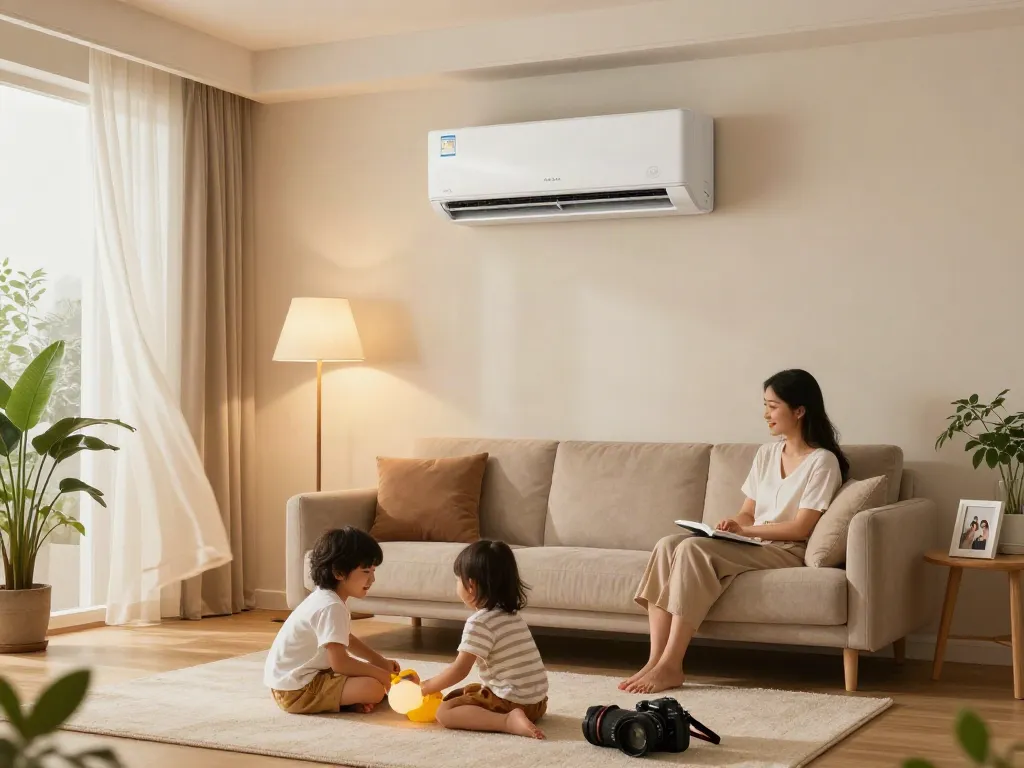
Understanding Ductless Air Conditioners
Ductless air conditioners, also known as mini-split systems, are becoming a popular choice for homeowners seeking efficient cooling solutions without the need for extensive ductwork. Unlike traditional heating and cooling systems, ductless systems provide flexibility, energy efficiency, and ease of installation, making them suitable for various spaces, from single rooms to entire buildings. When exploring options, ductless air conditioner units can be ideal for those looking to enhance indoor comfort while minimizing their carbon footprint.
What is a Ductless Air Conditioner?
A ductless air conditioner is a compact heating and cooling system that operates without the need for traditional ductwork. Typically consisting of two main components—the outdoor compressor unit and one or more indoor air-handling units—these systems allow for zoned heating and cooling. Each indoor unit can be independently controlled, which allows users to tailor the climate in different spaces according to their preferences.
How Ductless Systems Work
Ductless systems utilize a refrigeration cycle to cool or heat air as needed. The outdoor unit absorbs heat from the outside air and transfers it to the indoor units, which then release the conditioned air. In heating mode, the process is reversed, and warmth is pulled from the outdoor air and brought inside. This efficient heat exchange process makes ductless systems a cost-effective alternative to traditional HVAC systems.
Benefits of Using Ductless Air Conditioners
- Energy Efficiency: Ductless systems typically have high SEER (Seasonal Energy Efficiency Ratio) ratings, which means lower energy consumption compared to traditional AC units.
- Flexible Installation: Installing ductless systems is often simpler and quicker, requiring less invasive procedures than retrofitting ductwork.
- Zoned Comfort: Homeowners can set different temperatures for different rooms, enhancing comfort and cutting energy costs.
- Improved Air Quality: With no ducts, there is less potential for dust and allergens to circulate in the air.
Cost Considerations
Understanding the expense involved in installing and maintaining ductless air conditioners is crucial for any homeowner. Though the initial investment may be higher than traditional window units, the long-term savings can be substantial.
Initial Installation Costs
The cost of installing a ductless system varies based on several factors, including the size of the unit, the number of indoor units required, and the complexity of the installation. Typically, homeowners can expect to pay between $3,000 and $5,000 for a complete system, which includes both the indoor and outdoor units. Adding multiple zones can increase this cost but may provide more significant savings in energy bills over time.
Long-Term Savings on Energy Bills
One of the appealing aspects of ductless air conditioners is their energy efficiency. By providing targeted heating and cooling, these systems can reduce energy consumption. Homeowners often report savings of 30% or more on utility bills when switching from traditional HVAC systems to ductless solutions. Additionally, many ductless units come with inverter technology, which allows for variable speed operation, further optimizing energy use.
Financing Options for Ductless Systems
Financing options are available for those considering a ductless air conditioner. Many HVAC companies offer financing plans with low or no interest, making the initial costs more manageable. Additionally, government incentives and rebates are often available for energy-efficient upgrades, which can help offset installation costs.
Installation Process
Proper installation of a ductless system is vital for optimal performance and efficiency. Hiring a professional is recommended, but those with home improvement skills may consider a DIY approach.
Steps for Professional Installation
- Assessment: A qualified technician will evaluate your space and determine the necessary system size.
- Placement: The technician will decide the best locations for the indoor and outdoor units to maximize airflow and efficiency.
- Installation: The installation involves mounting the indoor units, connecting refrigerant lines, and securing the outdoor unit.
- Testing: After installation, the technician will test the system to ensure it operates correctly.
DIY Installation: Is It Worth It?
While DIY installation can save money, it requires significant technical knowledge and tools. Incorrect installation can lead to reduced efficiency and potential damage to the system. Therefore, unless you are experienced with HVAC systems, it’s advisable to seek the help of a professional.
Common Installation Mistakes to Avoid
- Improper unit placement, which can hinder airflow.
- Incorrect sizing of the system, leading to inefficient operation.
- Failure to follow manufacturer guidelines, resulting in performance issues.
Maintenance and Care
Regular maintenance is essential to ensure that your ductless air conditioner functions efficiently throughout its lifespan. Proper care not only enhances performance but also increases longevity.
Regular Maintenance Tips for Ductless AC
- Clean Filters: Check and clean the filters monthly to ensure optimal airflow and efficiency.
- Inspect Lines: Regularly check refrigerant lines for leaks or damage.
- Professional Servicing: Schedule annual maintenance with a qualified technician to check system performance and potential issues.
Signs Your Ductless System Needs Repair
Homeowners should be aware of warning signs that indicate a need for repairs. These can include:
- Unusual noises from the indoor or outdoor units.
- Inconsistent cooling or heating across rooms.
- Increased energy bills without changes in usage.
Extending the Lifespan of Your Ductless Air Conditioner
To maximize the lifespan of your ductless air conditioner, focus on regular maintenance, timely repairs, and ensuring that the system is not overworked. Proper care can extend the lifespan of these units to 15 years or more.
Future Trends and Innovations
The ductless air conditioning market continues to evolve, with ongoing advancements in technology, energy efficiency, and environmentally friendly features.
Technological Advances in Ductless Systems
Innovations such as smart technology integration allow homeowners to control their ductless systems remotely via smartphones. Additionally, advancements in inverter technology lead to even greater energy efficiency and performance.
Eco-Friendly Features to Look For
As sustainability becomes a priority, manufacturers are developing ductless systems with low-global warming potential refrigerants and energy-efficient capabilities, helping reduce overall environmental impact.
Market Predictions for Ductless Air Conditioners by 2026
Industry experts predict that the demand for ductless air conditioners will continue to rise through 2026, driven by their energy efficiency, ease of installation, and growing consumer awareness about sustainable living.
Are Ductless Air Conditioners Worth It?
For many homeowners, ductless air conditioners represent an excellent investment. With lower energy costs, flexibility, and improved comfort levels, they often provide a return on investment that justifies the initial expenditure.
How to Choose the Right Ductless System for Your Home?
When selecting a ductless air conditioner, consider factors such as the size of the space, the number of zones needed, energy efficiency ratings, and additional features like Wi-Fi capability. Consulting with an HVAC professional can also help in making an informed decision.
What to Expect During Installation of a Ductless Air Conditioner?
During installation, expect a professional technician to assess your home and explain the process. They will outline what to expect in terms of timeframes, potential disruptions, and any preparations you may need to make.
What Common Problems Do Ductless Air Conditioners Experience?
Common issues include refrigerant leaks, electrical faults, and blockage of filters or vents. Regular maintenance can mitigate many of these concerns and ensure that the system operates efficiently.
Are Ductless Air Conditioners Good for Heating as Well?
Yes, ductless air conditioners can effectively provide heating in addition to cooling. Many systems are dual-functional, allowing for year-round climate control, which can be especially beneficial in moderate climates.